
How Many Backlinks to Rank on Page 1 (Form Builder and SaaS Keywords) in 2026
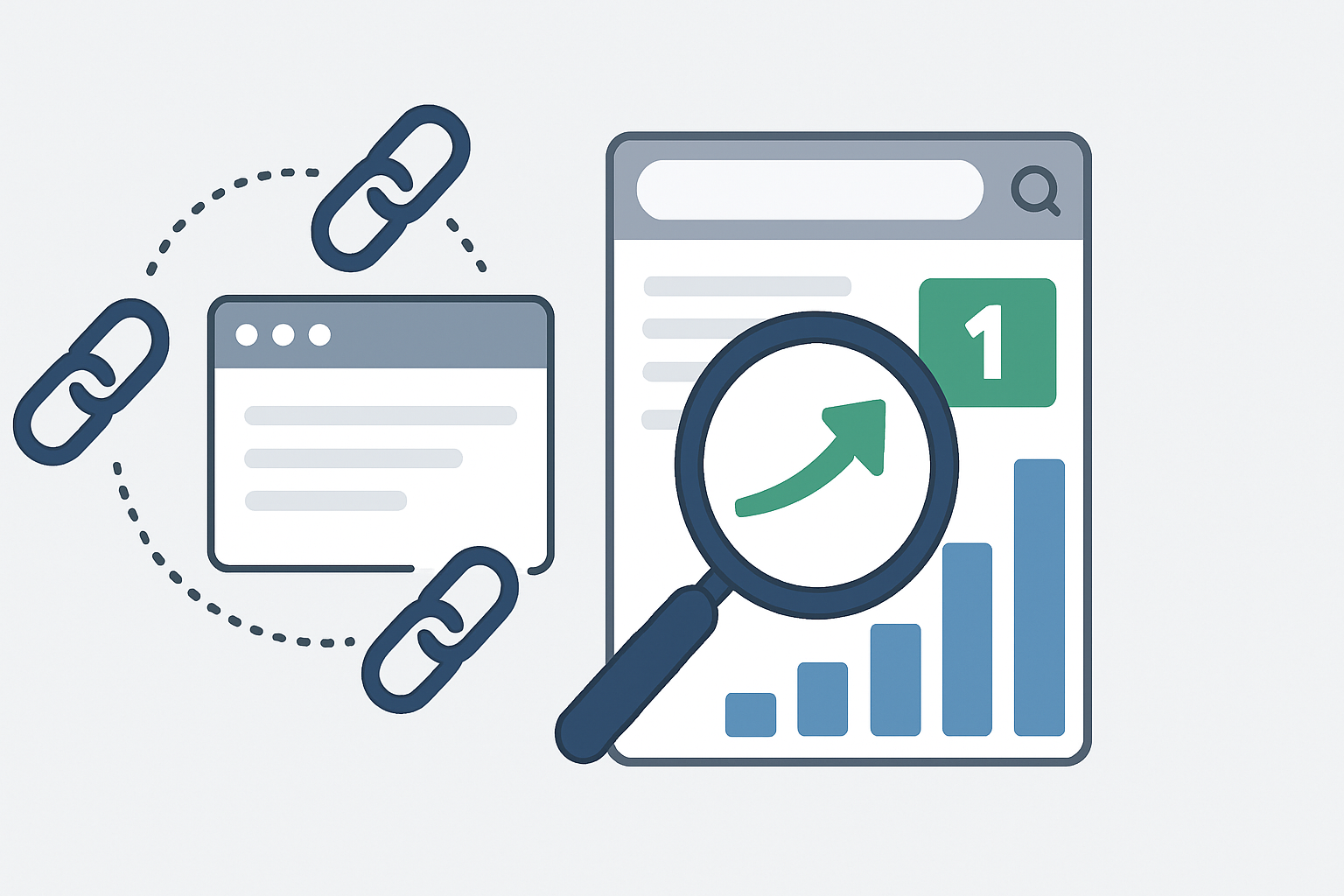
“How many backlinks to rank on page 1?” is one of the most common SEO questions—and the honest answer is: there’s no single number. It depends on your keyword, your niche, and the quality of your backlinks. For form builder and SaaS terms, you can still get a useful estimate by looking at competitor backlink profiles and keyword difficulty. This guide shows how to think about backlink count for page 1 rankings in 2026 and how to set a realistic target for your form builder or survey tool. For context on form builders and authority, see our best free form builder for surveys and AntForms free form builder. For building those backlinks, see form templates for surveys, lead gen, and events, how to get backlinks for a new website, and how to build backlinks that actually move rankings.
Why there’s no magic backlink number
Page 1 rankings depend on many factors: relevance, content quality, user experience, and backlinks. Backlinks are a strong signal, but Google (and other engines) care about who links to you and how they link—not just how many. So:
- A low-competition long-tail keyword (e.g. “form builder for yoga studios”) might need 5–20 solid backlinks to rank on page 1.
- A high-competition term (e.g. “best form builder”) might need 50–200+ referring domains and strong domain authority to compete.
The right approach is to benchmark your target keyword and competitors, then aim for a backlink profile that’s in the same ballpark (or better in quality). For more on quality vs quantity, see what is domain rating and why it matters.
Step 1: Identify your target keywords
Pick 3–5 keywords that matter for your form builder or SaaS: e.g. “free form builder,” “survey tool for startups,” “Typeform alternative,” “form builder with conditional logic.” Mix brand/alternatives and use-case terms. These will drive your backlink and content strategy. For more on choosing keywords, see SEO for micro-SaaS form builders.
Step 2: Analyze the top 10 results (competitor backlink analysis)
For each target keyword, look at the top 10 results in Google:
- Referring domains: How many unique domains link to each page (or to the domain)? Use Ahrefs, Semrush, or similar.
- Domain Rating (DR): What’s the DR of the ranking domains?
- Link quality: Are links from relevant sites (form builder, SaaS, marketing) or from random directories and blogs?
What to do: Note the median and range of referring domains for the top 5–7. That gives you a minimum target: you’ll likely need to be in that range (or close) to compete for page 1. If the top results have 30–80 referring domains and you have 3, you know you need to build backlinks for a while before expecting page 1. For a practical way to add early links, see directory submissions case study.
Step 3: Use keyword difficulty as a guide
Keyword difficulty (KD) in Ahrefs or Semrush is a rough proxy: higher KD usually means more (and stronger) backlinks are needed. It’s not perfect—relevance and content still matter—but it helps set expectations:
- KD under 20: Often low competition; a handful of relevant backlinks plus good content can be enough for page 1.
- KD 20–40: Medium; you’ll need a steady backlink build (directories, outreach, linkable assets) over months.
- KD 40+: High competition; expect to need a larger and higher-quality backlink profile, and possibly more content and time.
So how many backlinks to rank on page 1 depends on keyword difficulty and competitor counts. Use both. For a plan that ties links to outcomes, see link building strategy for founders.
Quality beats quantity
Backlink count alone is misleading. One strong dofollow link from a relevant, high-DR site can do more than 20 links from low-quality or irrelevant domains. So when you build backlinks:
- Prefer relevant sources (form builder, SaaS, marketing, surveys).
- Prefer editorial links (in content) over footer or sidebar links.
- Prefer dofollow when possible, but nofollow from strong sites still helps traffic and brand.
Aim for a backlink profile that looks natural: mix of brand, URL, and descriptive anchor text; mix of directories, blogs, and resource pages. For tactics that don’t rely on guest posts, see how to get dofollow links without guest posts.
Realistic timelines
Backlinks don’t move rankings overnight. After a backlink is live:
- 2–4 weeks: Google may recrawl the linking page and discover the link.
- 4–8 weeks: You may see ranking movement for long-tail terms or brand.
- 8–12 weeks: More visible page 1 movement for medium-difficulty terms, if your content and backlink quality are there.
So “how many backlinks to rank on page 1” is really “how many quality backlinks, over what time, for which keyword.” Set a target from competitor analysis, then build backlinks consistently. For improving authority over time, see improve domain authority with high-quality links.
Conclusion
Key takeaway: There’s no single backlink number for page 1. Use competitor backlink analysis and keyword difficulty to set a target; focus on quality and relevance; and give it 8–12 weeks of consistent link building before judging results.
Try AntForms for forms and surveys with unlimited responses and webhooks. For more, read how to get backlinks for a new website, how to build backlinks that move rankings, and what is domain rating and why it matters.