

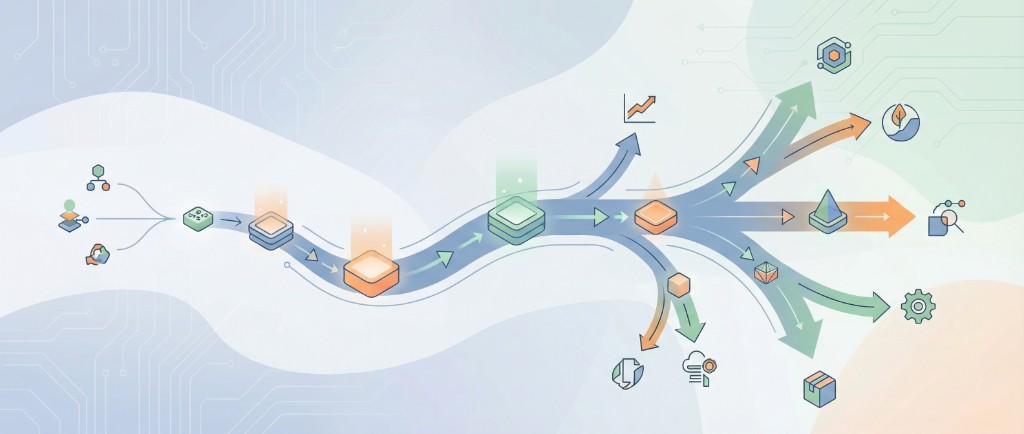
Static, long forms that dump every question on one page are on the way out. In 2026, users expect momentum-driven experiences: one question or a small group at a time, clear progress, and a path that adapts to their answers. This approach turns forms into user journeys—conversational, low-friction flows that keep people moving forward instead of bouncing.
Why it matters: Completion rates for traditional long forms are often in the single digits. Momentum-driven forms—where you show only what’s relevant next and give a sense of progress—regularly see two to three times higher completion. With a tool like Antforms, you get conditional logic (branching), unlimited responses, and form analytics so you can see where drop-off happens and refine the journey. This guide shows how to think about and build momentum-driven forms that convert.
Why static forms fail (and momentum-driven flows win)
Static forms ask everything at once. Users see a wall of fields, estimate how long it will take, and often leave. Even when they start, they’re more likely to abandon halfway because there’s no sense of progress and no adaptation to their situation.
Momentum-driven forms change the game in three ways:
- One step at a time (or small chunks): Users focus on a single question or a short block. Cognitive load stays low, and each step feels achievable.
- Visible progress: A progress bar or “Step 2 of 5” signal reduces uncertainty and encourages completion.
- Relevance: Conditional logic shows only the next question that makes sense. If someone selects “Business” they see company size; if they select “Personal” they skip it. Relevance keeps people engaged and reduces fatigue.
In 2026, the bar for form UX is higher. Tools like Antforms support workflow and branching out of the box—you define “when this answer, then go to this block,” so each user gets a path that fits. Combined with form analytics, you can see completion by step and fix bottlenecks. The result: forms that feel like guided conversations instead of paperwork.
How to design a momentum-driven user journey
Design starts with the goal of the form (e.g. lead qualification, event registration, feedback). Then you map the decision points—where the next question should depend on the answer.
1. Define the goal and outcomes.
What do you need from the respondent? (e.g. qualified lead, registered attendee, NPS + comment.) List the minimum information you need and what’s optional. Optional fields can live on branches or later steps.
2. Order for momentum.
Put the easiest, least sensitive questions first. Name and email are familiar; use them to build momentum. Save complex or personal questions for when the user is already invested. If you need to qualify (e.g. “Are you a decision-maker?”), do it early so you don’t waste their time or yours.
3. Use branching for relevance.
Every “if they answer X, ask Y; else ask Z” is a chance to keep the path short and relevant. In Antforms, workflow and branching let you set “When [condition], then go to [block or end].” Use it to skip whole sections for users who don’t need them, and to ask follow-ups only when they add value.
4. Show progress.
If the form has multiple steps or blocks, expose progress (e.g. “Step 2 of 4” or a bar). It reduces anxiety and supports completion.
5. Keep steps short.
One question per screen (or 2–3 very short ones) works well for conversational momentum. Long blocks of 5+ questions can feel like a form again—chunk carefully.
Implementing momentum and logic in Antforms
In Antforms, you build the form in the editor with blocks (questions/sections). Each block can have branching rules: “When [block X] equals [value], then go to [block Y].” The first matching rule wins; if none match, the default “next” block is used. That’s how you create different paths for different users.
Example: event registration.
- Block 1: “Ticket type?” (VIP, Speaker, General).
- When VIP → go to “Dietary requirements.”
- When Speaker → go to “Session title.”
- When General → go to “Full name” (common block).
Then all paths rejoin for contact and confirmation. Each attendee sees only the questions that apply to them, so the form feels short and relevant.
Example: lead qualification.
- Block 1: “Company size?” (1–10, 11–50, 51+).
- When 51+ → go to “Decision timeline” and “Budget range.”
- When smaller → skip those and go to “Contact details.”
You capture rich data from enterprise leads without overwhelming small businesses.
You get unlimited responses and form analytics (completion, drop-off by block), so you can see where momentum breaks and refine the journey. For more on logic, see conditional logic and lead qualification.
Measuring and improving the journey
Form analytics are essential for momentum-driven forms. You need to know:
- Overall completion rate: What share of starters finish?
- Drop-off by block: Where do people leave? That block (or the transition into it) may need simplification or better copy.
- Path distribution: When using branching, how many users take each path? If one path has much lower completion, that path may be too long or confusing.
In Antforms, your dashboard gives you completion and drop-off insight. You can also export responses to analyze by segment (e.g. completion rate by traffic source or by path). Over time, aim to reduce the number of steps on the highest-traffic path without losing the data you need—every removed question can lift completion. In 2026, teams that treat forms as dynamic journeys and iterate on data will outperform those that keep using static, one-size-fits-all forms. Use it to shorten or split blocks where drop-off spikes, simplify wording, or adjust branching so the most common path is the shortest. Iterate in 2026: small changes to question order and logic often yield big gains in completion.
Summary and next steps
Momentum-driven forms replace static walls of fields with step-by-step, adaptive user journeys. They keep cognitive load low, show progress, and use conditional logic so each person sees only what’s relevant. That leads to higher completion and better data.
Build your journey in Antforms: add blocks, set workflow and branching for decision points, and publish. Use form analytics to find drop-off and refine. For more on form design that converts, see our guide to high-converting forms and Typeform alternatives that support logic and unlimited responses.
Try Antforms free—create your first momentum-driven form in minutes, with no response caps and full analytics.